Over the past decade, I have had the privilege of working on some of the largest solar and renewable energy projects across the Gulf Coast and beyond. One of the most exciting areas in the energy sector today is distributed solar. This technology allows homes, businesses, and communities to generate their own electricity, reducing dependence on centralized power plants. However, integrating distributed solar into legacy grid networks comes with both challenges and incredible opportunities.
Understanding Distributed Solar
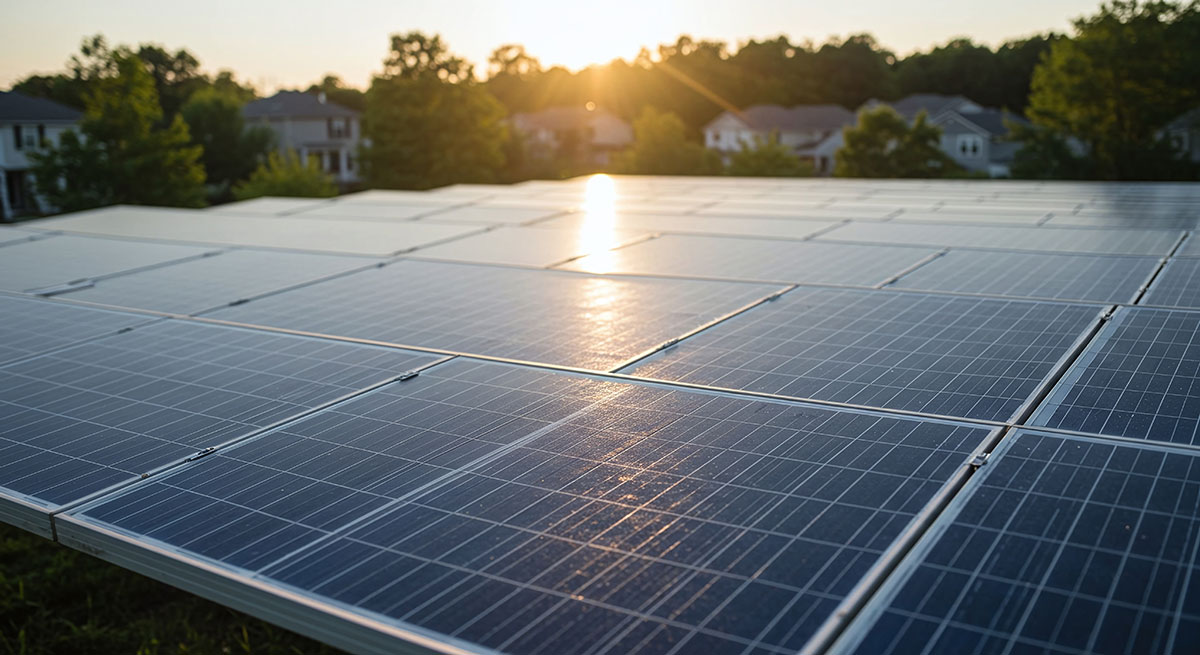
Distributed solar refers to solar energy systems that are installed at or near the point of use. Unlike large utility-scale solar farms, these systems are decentralized and can include rooftop panels, small community solar farms, and hybrid setups that combine solar with battery storage. The main advantage is clear: they give consumers more control over their energy use while reducing strain on traditional power grids.
For me, the promise of distributed solar is about more than technology. It is about empowering communities, especially those in rural areas or regions prone to outages. It is about giving people reliable, clean, and cost-effective energy.
Challenges in Legacy Grid Integration
Integrating distributed solar into older grid networks, however, is not without difficulties. Many electrical grids in the United States were built decades ago to support centralized power generation. These grids were not designed to handle two-way energy flow, which occurs when homes or businesses feed excess solar power back into the system.
Voltage fluctuations, equipment wear, and grid instability are common concerns. For example, during times of high solar production, excess electricity can create surges that the grid is not equipped to manage. Utilities must also balance load across multiple generation sources, which requires advanced monitoring and coordination.
Another challenge is policy and regulation. Net metering policies, interconnection standards, and incentive programs vary by state and sometimes by utility. Navigating this patchwork of rules can be complex for both solar developers and consumers, which slows the adoption of distributed solar systems.
Opportunities for Innovation
Despite these challenges, the opportunities are enormous. Modern grid management technology, such as smart inverters, energy storage, and advanced monitoring systems, allows distributed solar to integrate more seamlessly. Battery storage is particularly transformative because it allows excess energy to be saved and used during periods of low generation or high demand.
Microgrids and community solar initiatives are also emerging as practical solutions. By creating localized energy networks, we can reduce stress on legacy grids while providing more resilient energy systems. In areas prone to storms or natural disasters, distributed solar paired with storage can be a lifeline. I have witnessed this firsthand during post-hurricane rebuilds in Louisiana, where solar microgrids helped restore power to schools and hospitals faster than traditional grid repairs could.
Economic and Environmental Benefits
Distributed solar also brings economic and environmental benefits. On a community level, it can lower electricity costs and reduce peak demand charges. It also creates jobs in system installation, maintenance, and project management.
Environmentally, distributed solar reduces reliance on fossil fuels, decreases greenhouse gas emissions, and supports broader sustainability goals. For me, seeing a small community adopt solar and watch it lower its carbon footprint is incredibly rewarding. These systems may seem modest compared to utility-scale projects, but their collective impact is significant.
Policy and Collaboration
For distributed solar to reach its full potential, collaboration between utilities, policymakers, and communities is essential. Utilities need incentives and technical guidance to safely integrate distributed resources. Policymakers must provide clear frameworks for interconnection, compensation, and system reliability. And communities must be educated on how to manage and benefit from their own solar resources.
I often work with local governments and utilities to navigate these issues. It is amazing how quickly adoption can accelerate when all stakeholders are aligned and invested in the outcome.
Looking Ahead
The future of distributed solar is bright. As technology continues to evolve, integration with legacy grids will become smoother, more efficient, and more cost-effective. Energy storage, smart grids, and predictive software will allow systems to balance supply and demand dynamically.
I am particularly excited about the potential for rural and underserved communities. Distributed solar can bring reliable power to areas that have long struggled with outages or expensive energy costs. It can empower schools, hospitals, and small businesses to operate more sustainably and independently.
Conclusion
Distributed solar is not just a technology trend; it is a transformative force for energy independence, environmental sustainability, and community resilience. While integrating these systems into legacy grids presents challenges, innovative solutions, smart policy, and collaborative planning make the future promising.
As someone who has spent years designing, building, and managing renewable energy projects, I am inspired by the possibilities. Distributed solar has the potential to reshape how we think about energy, putting power into the hands of the people who use it. It is an exciting time to be working in this field, and I am committed to helping communities embrace this change, one rooftop and one microgrid at a time.